[1] interfaces
Interfaces that behave
React and TypeScript as the daily instrument. State that stays honest, components that survive real data, and screens that do not fall apart at the edges.
00—Porto, Portugal
role: Software Engineer @ Mastercard
I build software, and I care about the whole thing: what runs, and what runs underneath it.
Most of what I know comes from taking systems apart until the pieces stop being abstract. A request that behaves badly, a machine that slows down, a service that fails quietly: the answer is almost never where the symptom appears. I read about the layers below the application because that is where the interesting failures live.
I like architecture the way other people like puzzles. Understand the shape of a system and the code becomes the easy part.

01 — Focus
[1] interfaces
React and TypeScript as the daily instrument. State that stays honest, components that survive real data, and screens that do not fall apart at the edges.
[2] systems
Where the boundaries go, what owns the truth, what happens on the second request and the ten-thousandth. The design decides more than the language ever will.
[3] below-the-api
Linux and its filesystem, processes and memory; TCP, DNS and TLS; containers and Kubernetes orchestration. When something breaks, it usually broke down there first.
[4] back-end
APIs, schemas and storage. Node on the service side, Rust where performance or the operating system matters, SQL as the thing everything eventually rests on.
03—the course
104 episodes · 765 min · free · no account
part one—the foundations
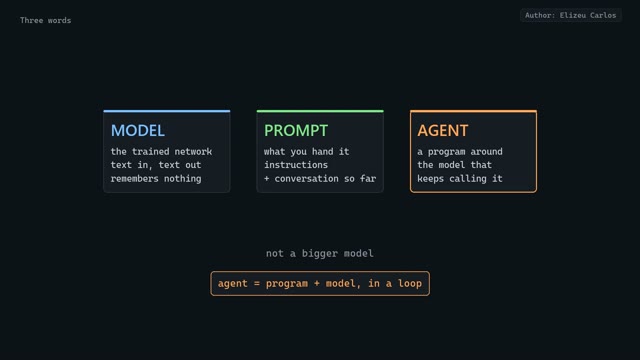
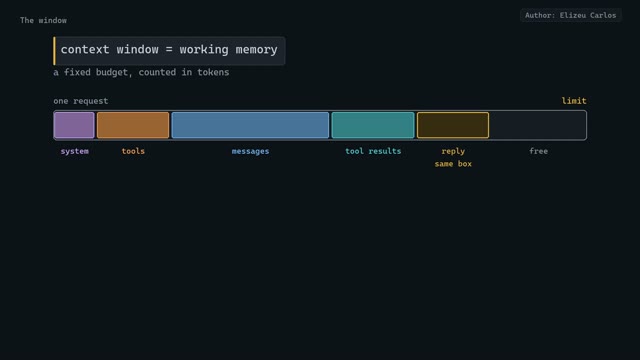
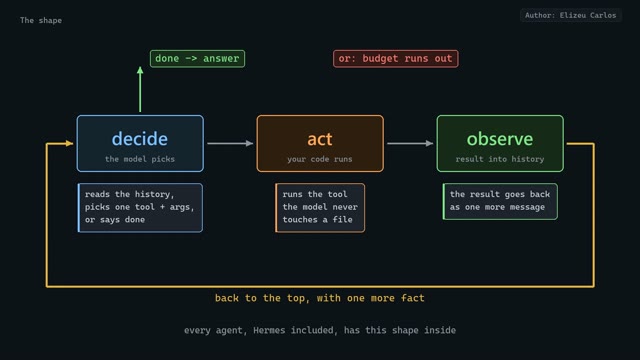
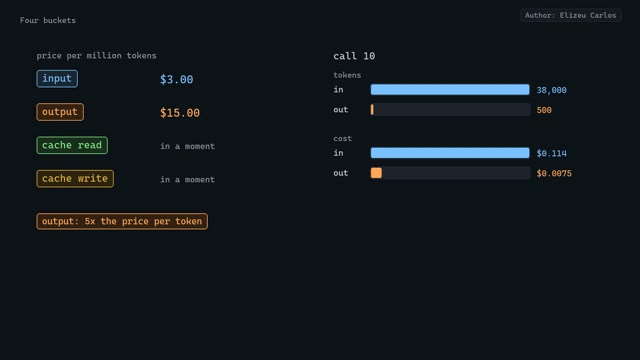
The architecture, from the outside in: what a turn is, how tool calls travel on the wire, where context rots, and what the bill is made of. No code required to follow it.
40 episodes · 163 min · start here
part two—the dissection
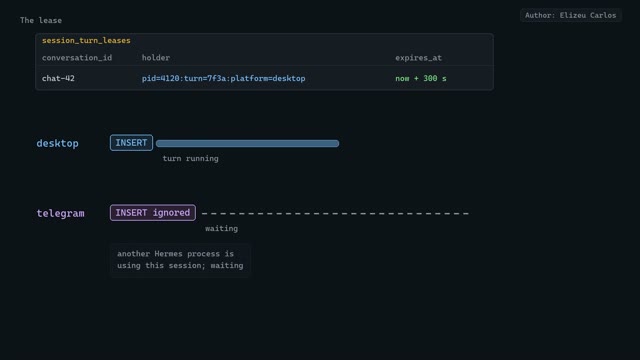
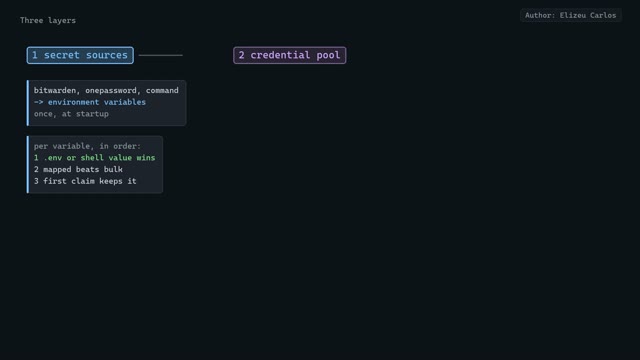
The same system, now with the source code open beside it. Real files inside a running agent: the loop, the compressor, the state layer, the gateway, the approval gate.
64 episodes · 602 min · after part one
$ part one explains the machine → part two opens the code that runs it
03 — Contact
Questions about the course, or work that needs someone comfortable on both sides of the API.